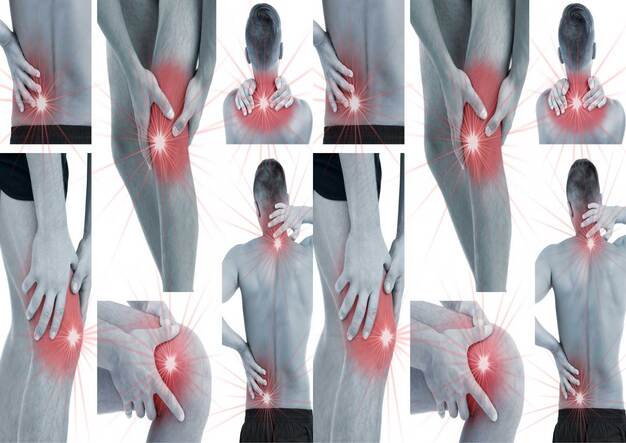
Injuries are common during participation in organized sports, competitions, training sessions, or fitness activities. Many athletes are sidelined due to injuries during matches and seasons.
Sports injuries can occur due to a variety of factors such as incorrect movement patterns, poor training techniques, insufficient warm-up, fatigue, overuse of specific muscles, dehydration, or the use of inappropriate equipment.
In modern times, rehabilitation after sports injuries has become a vital and important field. Its development has necessarily led to collaboration between sports physiotherapists, sports medicine doctors, and orthopedic surgeons.
The changing nature of sports-related injuries, as well as the limited availability of rehabilitation facilities in many regions, is a concern. Modern rehabilitation protocols emphasize teamwork and proper planning. The rehabilitation team should be led by a trained sports physiotherapist with a strong understanding of the protocols and interventions required at different stages.
Rehabilitation protocols for injuries are applied worldwide, but they must be adapted according to the nature of the sport and the available facilities.
Sports medicine doctors are increasingly joining specialized rehabilitation teams, as they can assist in prescribing medications, supplements, and specialized tests that improve understanding of injuries.
What is sports injury rehabilitation?
Sports injury rehabilitation is a safe therapeutic approach that helps athletes manage pain effectively and achieve optimal performance through targeted exercises. It helps restore the function of the injured body part and reduces the risk of further sports injuries. Depending on the type of injury, it includes strengthening exercises, mobilization, pain relief techniques, and functional skills training.
How are sports injuries managed?
Sports rehabilitation treats a wide range of conditions, including acute sports injuries, strains, sprains, muscle and tendon injuries, ligament repair, tendonitis, hand injuries, shoulder dislocations, foot or ankle dysfunction, and post-surgical rehabilitation.
A rehabilitation program that includes a full-body movement assessment is essential to ensure full recovery to pre-injury activity levels and to prevent re-injury.
Each athlete is different and responds differently to exercises and treatment programs. A sports medicine specialist may use various methods and procedures, including:
- Functional Movement Screening (FMS) and Selective Functional Movement Assessment (SFMA)
- Movement-based interventions and corrective exercises
- Manual therapy
- Muscle restoration techniques
- Proprioceptive (balance and body awareness) training
- Sport- or activity-specific training
- Use of protective taping or bandaging
Goals of sports injury rehabilitation
Sports rehabilitation is a branch of healthcare focused on recovery and injury prevention in order to achieve optimal levels of functional, professional, and athletic fitness regardless of age or ability. Sports therapists also often prescribe strength and conditioning exercises.
It generally has two main goals:
- First, to help patients regain their pre-injury (or better) levels of physical endurance and fitness.
- Second, to strengthen the individual through sport-specific programs that prepare them to safely return to sport.
After an injury, rehabilitation exercises usually begin as soon as possible through neuromuscular activation to stimulate muscles, prevent muscle loss (atrophy), and speed up recovery.
To achieve this, seven key principles of sports rehabilitation are followed:
- Performance analysis
- Continuous goal setting
- Integration of physiotherapy and sports science
- Individually designed rehabilitation program
- Program adjustment based on progress
- Re-analysis before returning to sport
- Injury recurrence prevention
Each of these plays a specific role in returning the injured person to their original performance level.
What is performance analysis?
Performance analysis is mainly used in sports and refers to evaluating the quality of an athlete’s or coach’s performance. It can cover various aspects such as strength, mobility, flexibility, endurance, reaction time, agility, biomechanics, as well as psychological and mental condition.
In sports rehabilitation, performance analysis is used to assess a person’s physical abilities, especially after injury. It is then used as baseline data to guide decision-making regarding rehabilitation interventions. It can also be repeated throughout recovery to ensure the effectiveness of the rehabilitation plan and improve outcomes.
What is performance analysis in sports rehabilitation?
Performance analysis is a specialized field and must be performed by qualified professionals with a strong understanding of human anatomy and the sport being assessed to ensure accurate interpretation of results. Standardized protocols must be followed to ensure reliability and validity.
Most importantly, performance analysis in sports rehabilitation ensures that patients are fully aware of their physical capabilities, helping them achieve a smooth and successful recovery and return to normal daily life.