A physiotherapist plays an important role in women’s health by treating bladder, bowel, and sexual health issues, especially in patients with pelvic floor dysfunction. This field focuses on improving quality of life, restoring function, and reducing pain in a safe and non-invasive way.
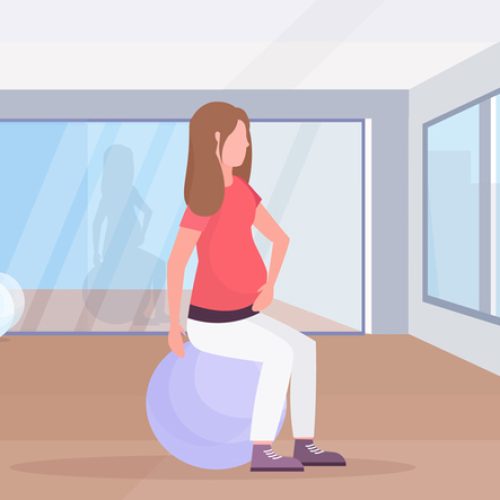
Physiotherapy also supports pregnant women by helping them maintain fitness, reduce discomfort, and stay active throughout pregnancy.
Physiotherapy during pregnancy
Physiotherapy during pregnancy may include antenatal classes and exercises designed to prepare women physically and mentally for childbirth. One of the most important components is pelvic floor training, which helps support the body during pregnancy and delivery.
It can also help manage common pregnancy-related pain, especially in the lower back and pelvis. Treatment may include:
- Posture correction
- Stretching tight muscles
- Massage therapy
- Gentle core exercises
- Manual therapy
- Relaxation techniques
Pelvic pain during pregnancy is often linked to tight muscles around the pelvis or pelvic floor, and can be improved through relaxation, breathing exercises, and trigger point therapy.
Postpartum rehabilitation
After childbirth, physiotherapy helps women recover by:
- Reducing pain
- Restoring strength and mobility
- Supporting safe return to exercise
- Rehabilitating the pelvic floor muscles
This phase is important for restoring normal body function and preventing long-term complications.
Pelvic floor dysfunction and incontinence
Many women experience pelvic floor disorders, including urinary incontinence. It is estimated that 1 in 3 women may experience urinary leakage at some point in their lives.
Risk factors include:
- Pregnancy and childbirth
- Constipation
- Chronic coughing
- Weight gain
- Sedentary lifestyle
A physiotherapist can provide assessment, guidance, and a structured pelvic floor rehabilitation program to improve symptoms and control.
Bowel-related symptoms
Physiotherapy can also help manage bowel dysfunctions such as:
- Urgency
- Fecal incontinence
- Gas leakage
- Constipation
Management and treatment approach
Treatment may include:
- Lifestyle advice (healthy bowel habits and daily routines)
- Stress management techniques
- Gentle exercises
- Relaxation training
- Guided pelvic floor rehabilitation
Conclusion
Women’s health physiotherapy is highly effective in supporting women through pregnancy, postpartum recovery, and pelvic floor disorders. With proper guidance and consistent rehabilitation, it helps improve comfort, restore function, and enhance overall quality of life.